
June Pest of the month:
House Ants in Oregon
As temperatures warm throughout June, house ants become one of the most common pests invading homes and businesses throughout Canby, Oregon City, West Linn, Wilsonville, Tualatin, Salem, Keizer, Woodburn, Hubbard, Molalla, Lake Oswego, Beaverton, Hillsboro, Tigard, and surrounding Oregon communities.
The most common house-invading ants in Oregon are Odorous House Ants (commonly called "sugar ants") and Pavement Ants. These nuisance pests often enter structures searching for food, moisture, and shelter. Once a few scout ants find a food source, they leave scent trails that can quickly attract hundreds or even thousands of additional ants into your home.
At OutLook Pest Management, we specialize in identifying ant species, locating nesting areas, eliminating active colonies, and providing long-term prevention programs designed specifically for Oregon homes and businesses.


What Are House Ants?
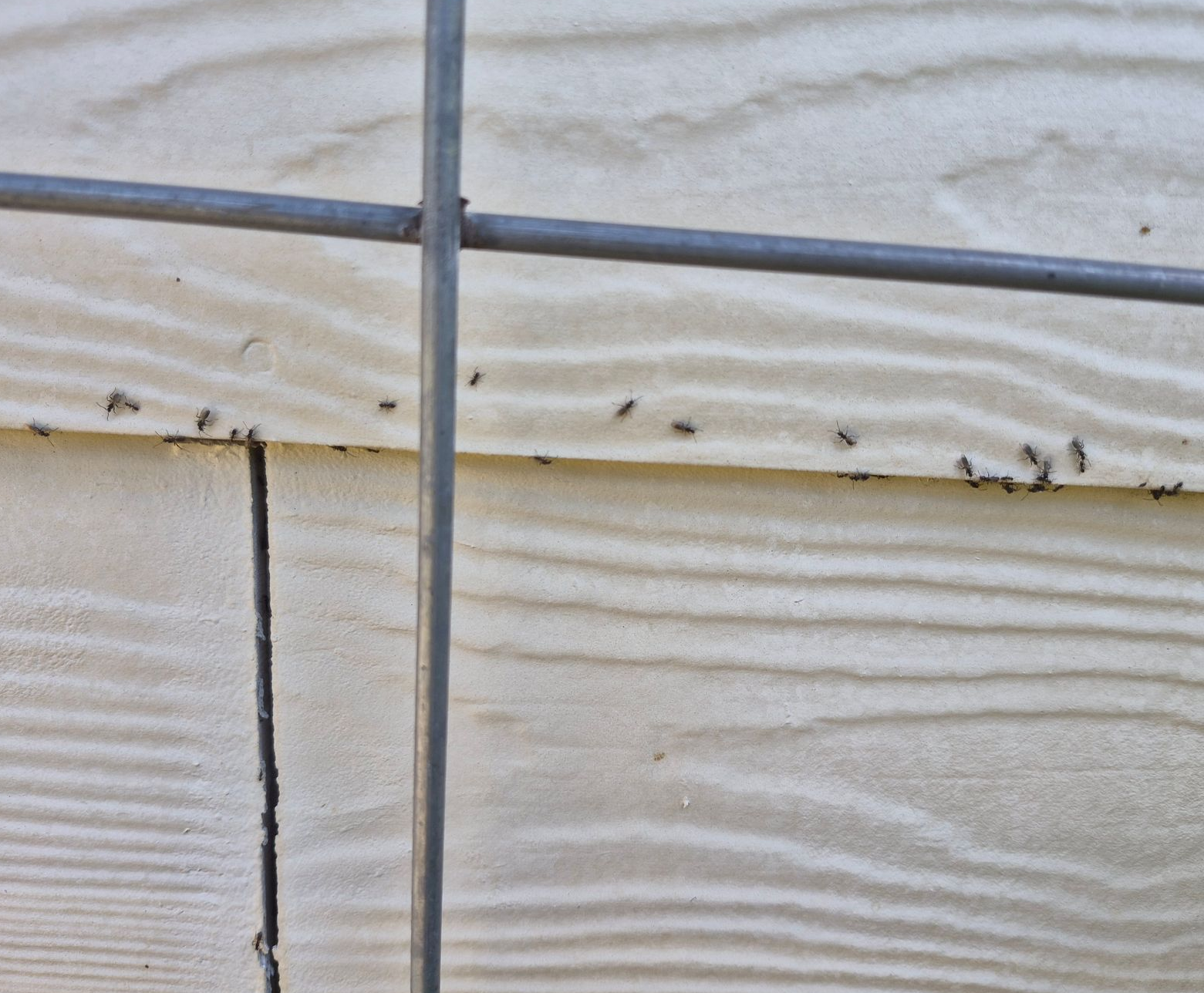
House ants are small nuisance ants that commonly invade kitchens, bathrooms, laundry rooms, garages, crawlspaces, and wall voids. The two most common species found throughout Oregon are Odorous House Ants and Pavement Ants. These ants typically range from 1/16 to 1/8 inch in length and are dark brown to black in color.
Odorous House Ants are often referred to as "sugar ants" because they are strongly attracted to sweets. When crushed, they produce a distinctive odor often described as rotten coconut or blue cheese. These ants frequently establish multiple nesting sites with multiple queens, making them particularly difficult to eliminate without professional treatment.
House Ant Life Cycle
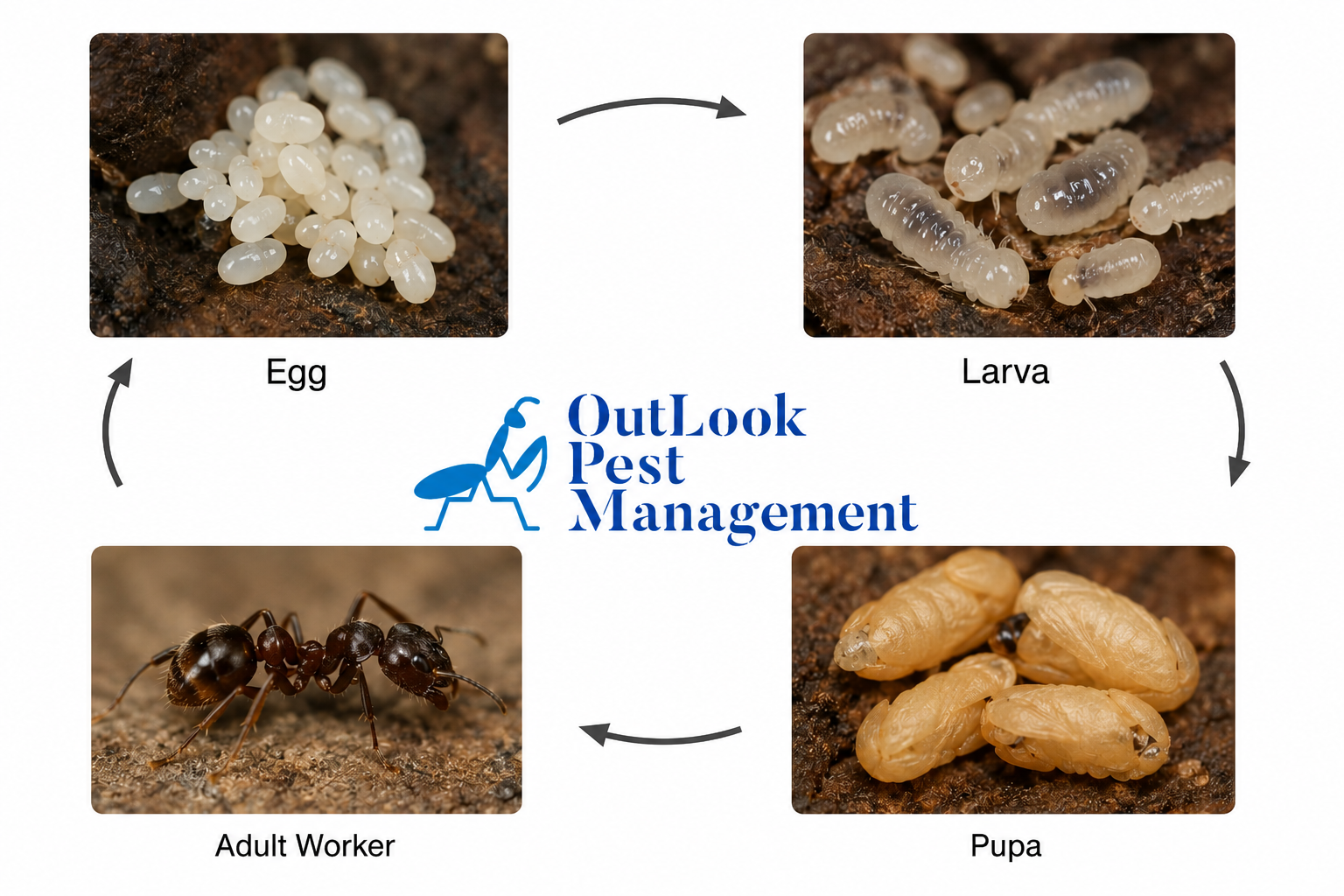
Like other ant species, house ants develop through four stages:
• Egg
• Larva
• Pupa
• Adult Worker
A single colony may contain thousands of worker ants and multiple queens. During spring and early summer, colonies rapidly expand as temperatures increase and food becomes more abundant. This is why June is one of the busiest months for ant activity throughout Oregon. Colonies may nest outdoors under rocks, mulch, landscape timbers, patios, and foundations, or indoors inside wall voids, crawlspaces, insulation, and around plumbing penetrations.
Why Ants Become a Problem
Unlike many seasonal pests, house ants can become a year-round issue for Oregon homeowners. While activity often increases during spring and summer, many ant colonies continue living and foraging throughout the year, especially when they have established nests inside structures.
House ants commonly build nests inside wall voids, crawlspaces, attics, insulation, beneath flooring, around plumbing penetrations, and behind cabinets. Once a colony moves indoors, it gains protection from weather and has access to food, moisture, and warmth, allowing it to remain active even during colder months.
Many species, especially Odorous House Ants, can have multiple queens and multiple nesting locations. This means a single colony may be spread throughout several areas of a home or property, making do-it-yourself treatments difficult and often causing infestations to return shortly after spraying visible ants.
House ants also communicate through pheromone trails. When one worker finds a food or water source, it leaves a scent trail that quickly attracts additional ants. What starts as a few ants on a countertop can rapidly turn into hundreds of ants traveling through kitchens, bathrooms, laundry rooms, and other living areas.
Without proper colony elimination and prevention measures, ant populations can continue growing, resulting in recurring infestations year after year throughout homes and businesses in Canby, Oregon City, West Linn, Wilsonville, Tualatin, Salem, Keizer, Woodburn, Hubbard, Molalla, Beaverton, Hillsboro, Tigard, and surrounding Oregon communities.
Where Are House Ants Found in Oregon?
House ants are commonly found throughout the Willamette Valley and Portland Metro area, including:
• Canby
• Oregon City
• West Linn
• Wilsonville
• Tualatin
• Lake Oswego
• Salem
• Keizer
• Woodburn
• Hubbard
• Molalla
• Beaverton
• Hillsboro
• Tigard
• Sherwood
• Newberg
• McMinnville
They often nest:
• Beneath mulch and landscaping materials
• Under sidewalks and patios
• Around foundations and crawlspaces
• Near irrigation systems and moisture sources
• Inside wall voids and insulation
• Around kitchens, dishwashers, sinks, and bathrooms
House ants are especially common during Oregon's warmer months when colonies become more active and begin foraging aggressively for food and water.
Signs You May Have House Ants
Common signs of an ant infestation include:
• Visible ant trails inside the home
• Ants around pet food or food storage areas
• Ants near sinks, bathrooms, or plumbing fixtures
• Ants entering through windows, doors, and foundation cracks
• Small piles of debris near nesting sites
• Increased ant activity during warm weather
Many homeowners first notice ants in kitchens and bathrooms because these areas provide both moisture and food resources that attract foraging worker ants.

How Homeowners Can Help Prevent House Ants
You can help reduce ant activity around your home by:
• Cleaning food spills promptly
• Storing food in sealed containers
• Keeping pet food areas clean
• Repairing plumbing leaks
• Trimming vegetation away from structures
• Reducing excessive mulch against foundations
• Sealing cracks and gaps around doors and windows
• Eliminating standing water around the property
These preventative measures, combined with professional pest management, can significantly reduce the likelihood of recurring ant problems.
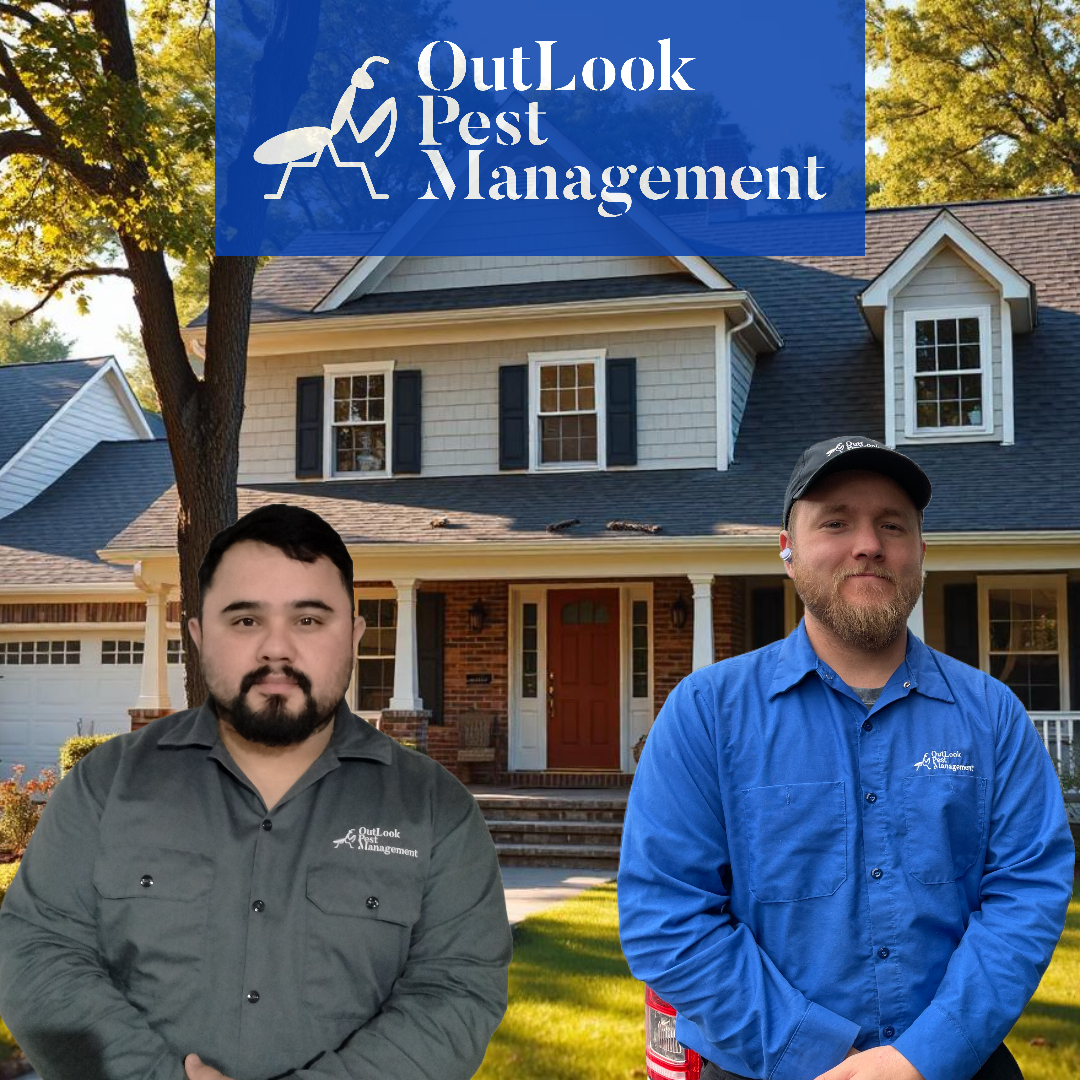
At OutLook Pest Management, we help homeowners throughout Salem, Keizer, Canby, Oregon City, West Linn, Hillsboro, Beaverton, and surrounding Oregon communities identify and reduce conducive conditions that may contribute to ant infestations.
How OutLook Pest Management Treats House Ants
Our professional ant control program focuses on eliminating colonies rather than simply killing visible ants.
Our treatment process may include:
• Detailed inspection to identify species and nesting locations
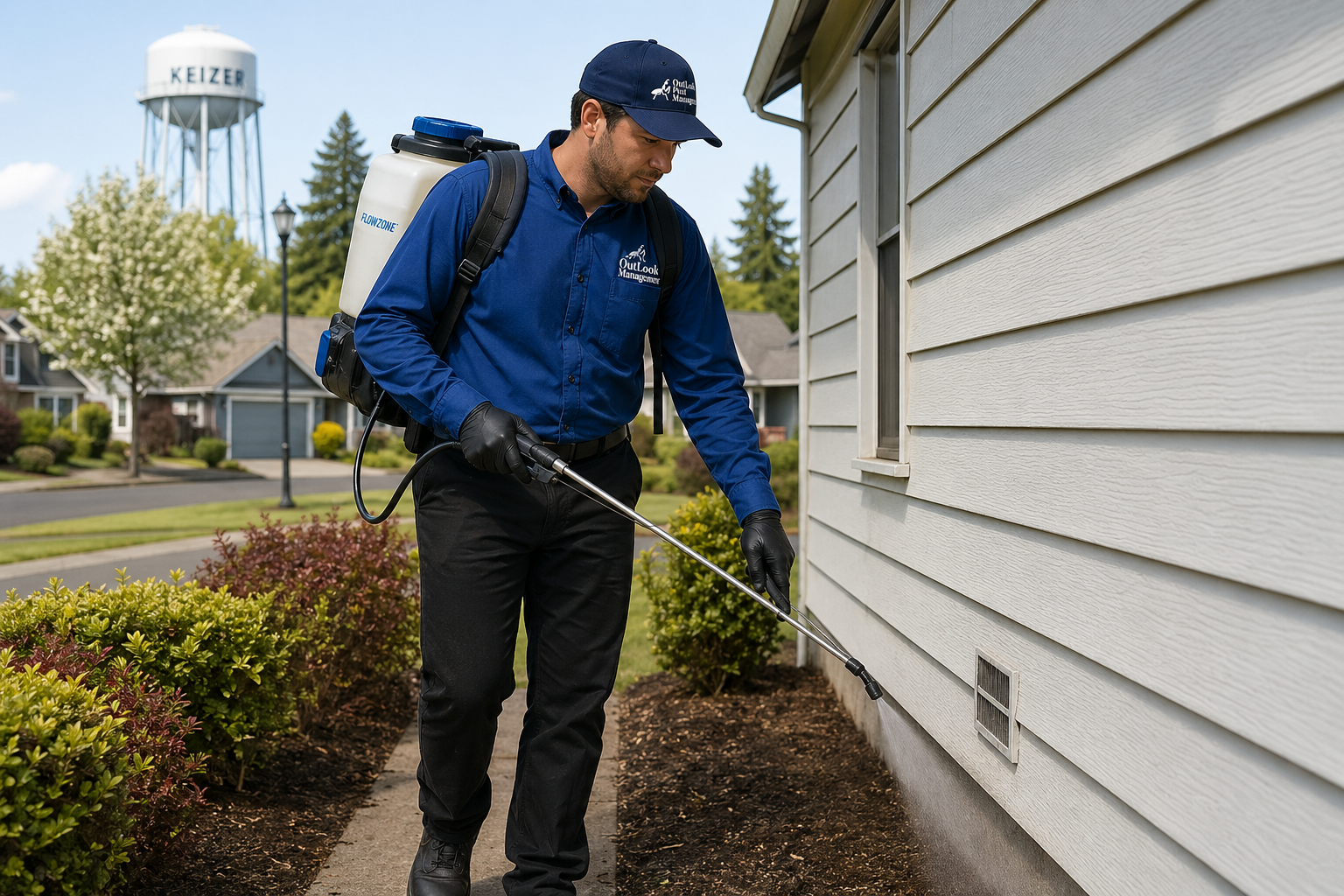
• Exterior foundation treatments using professional non-repellent products
• Treatment of entry points, cracks, and utility penetrations
• Strategic baiting programs designed to target entire colonies
• Treatment of ant trails and active nesting areas
• Recommendations to reduce conducive conditions around the property
• Ongoing maintenance programs to prevent future infestations
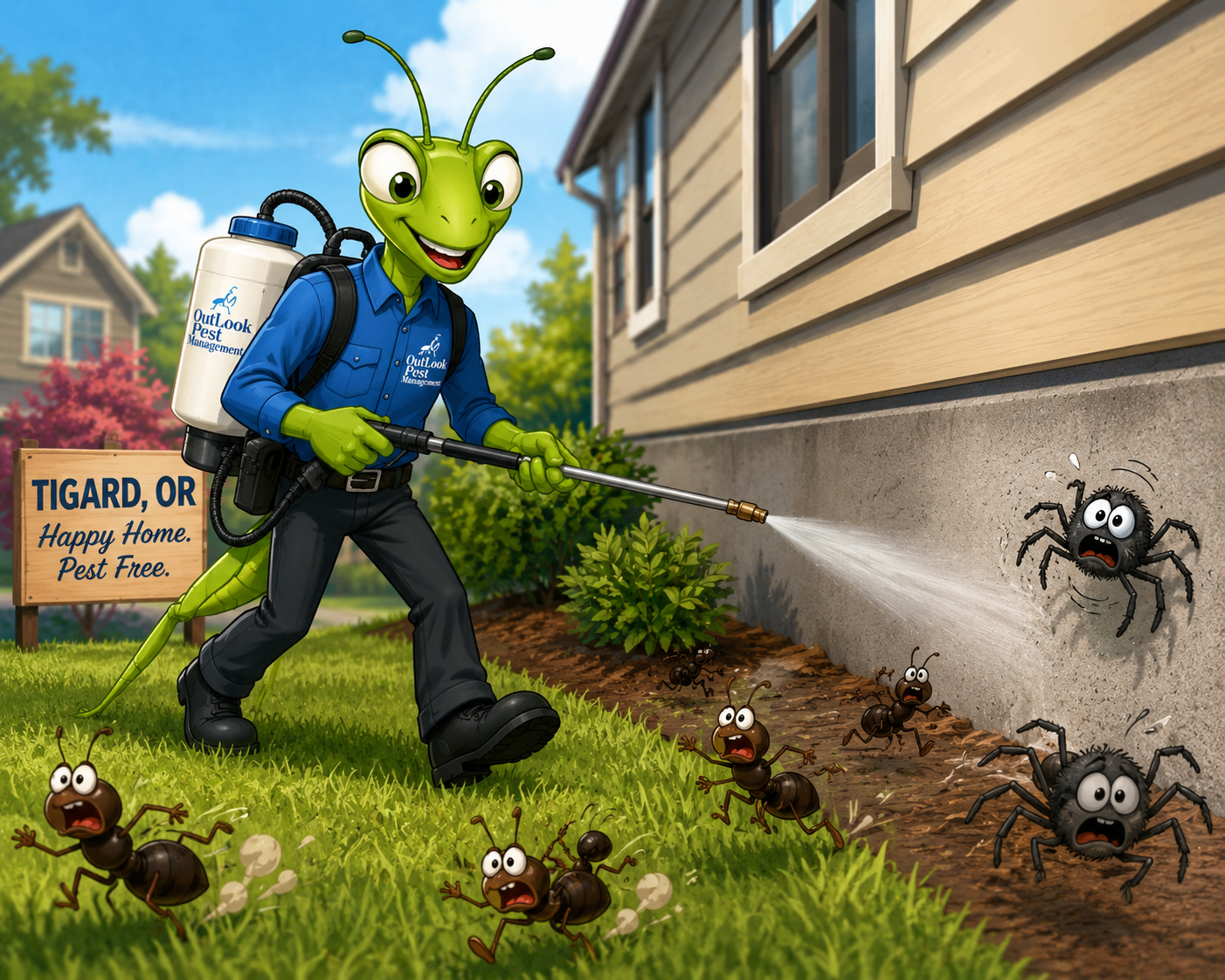
We utilize professional-grade non-repellent products that allow worker ants to transfer treatment throughout the colony, helping eliminate queens and hidden nesting sites that over-the-counter sprays often miss. This approach provides more effective long-term control for Oregon ant infestations.
Schedule Professional House Ant Control in Oregon
If you're seeing ant trails inside your home or business, don't wait for the problem to grow. House ant colonies can expand rapidly during the summer months, making early treatment the most effective solution.
OutLook Pest Management proudly provides professional ant control services throughout Canby, Oregon City, West Linn, Wilsonville, Tualatin, Lake Oswego, Salem, Keizer, Woodburn, Hubbard, Molalla, Beaverton, Hillsboro, Tigard, and surrounding Oregon communities.
Contact OutLook Pest Management today for professional house ant control and year-round pest protection.
Ant Control FAQ for Oregon Homes & Businesses
Have questions about ants in your home or business? OutLook Pest Management provides professional ant control services throughout Keizer, Salem, Canby, Hubbard, Wilsonville, West Linn, Tigard, Tualatin, Molalla, Oregon City, Lake Oswego, and surrounding Oregon communities.
Why do I keep seeing ants inside my home?
Ants commonly enter homes looking for food, water, and shelter. In Oregon, house ants often trail into kitchens, bathrooms, laundry rooms, garages, and crawlspaces. Once ants find a reliable food or moisture source, they leave scent trails that bring more ants inside.
Can ants nest inside walls?
Yes. House ants can build nests inside wall voids, insulation, crawlspaces, attics, under flooring, behind cabinets, and around plumbing areas. This is one reason ant problems can return even after spraying the ants you see on countertops or floors.
Are ants a year-round problem in Oregon?
Yes. Ant activity is usually heavier in spring and summer, but ants can remain active year-round when they nest indoors. Heated homes, moisture sources, and food access allow ants to continue foraging even during colder months in Salem, Keizer, Canby, Tigard, Oregon City, and nearby towns.
What types of ants are common around Oregon homes?
Common house-invading ants in Oregon include odorous house ants, pavement ants, moisture ants, and occasionally carpenter ants. Correct identification is important because each ant species may require a different treatment approach.
Why do DIY ant sprays not always work?
Store-bought sprays often kill only the visible worker ants while leaving the colony and queens behind. Some ant colonies can split or move when disturbed, making the infestation harder to control. Professional ant treatments focus on the colony, trails, entry points, and nesting areas.
How does OutLook Pest Management treat ants?
Our ant control service may include inspection, exterior foundation treatment, entry point treatment, targeted baiting, non-repellent products, trail treatment, and recommendations to reduce moisture and food sources. Our goal is to control the colony, not just the ants you can see.
Do you treat ants around the exterior foundation?
Yes. Foundation treatments are an important part of ant control because many ants enter from outside nesting areas near mulch, soil, patios, siding gaps, crawlspace vents, and utility penetrations. Exterior treatments help reduce ant pressure before they enter the structure.
How can I help prevent ants?
Homeowners can help reduce ants by cleaning food spills, storing food in sealed containers, repairing leaks, reducing standing water, trimming vegetation away from the home, keeping mulch away from siding, and sealing cracks or gaps around doors, windows, and utility lines.
Do you offer ant control near me?
OutLook Pest Management provides ant control services in Keizer, Salem, Canby, Hubbard, Wilsonville, West Linn, Tigard, Tualatin, Molalla, Oregon City, Lake Oswego, Woodburn, Aurora, Sherwood, Newberg, Gladstone, Milwaukie, and nearby Oregon communities.