
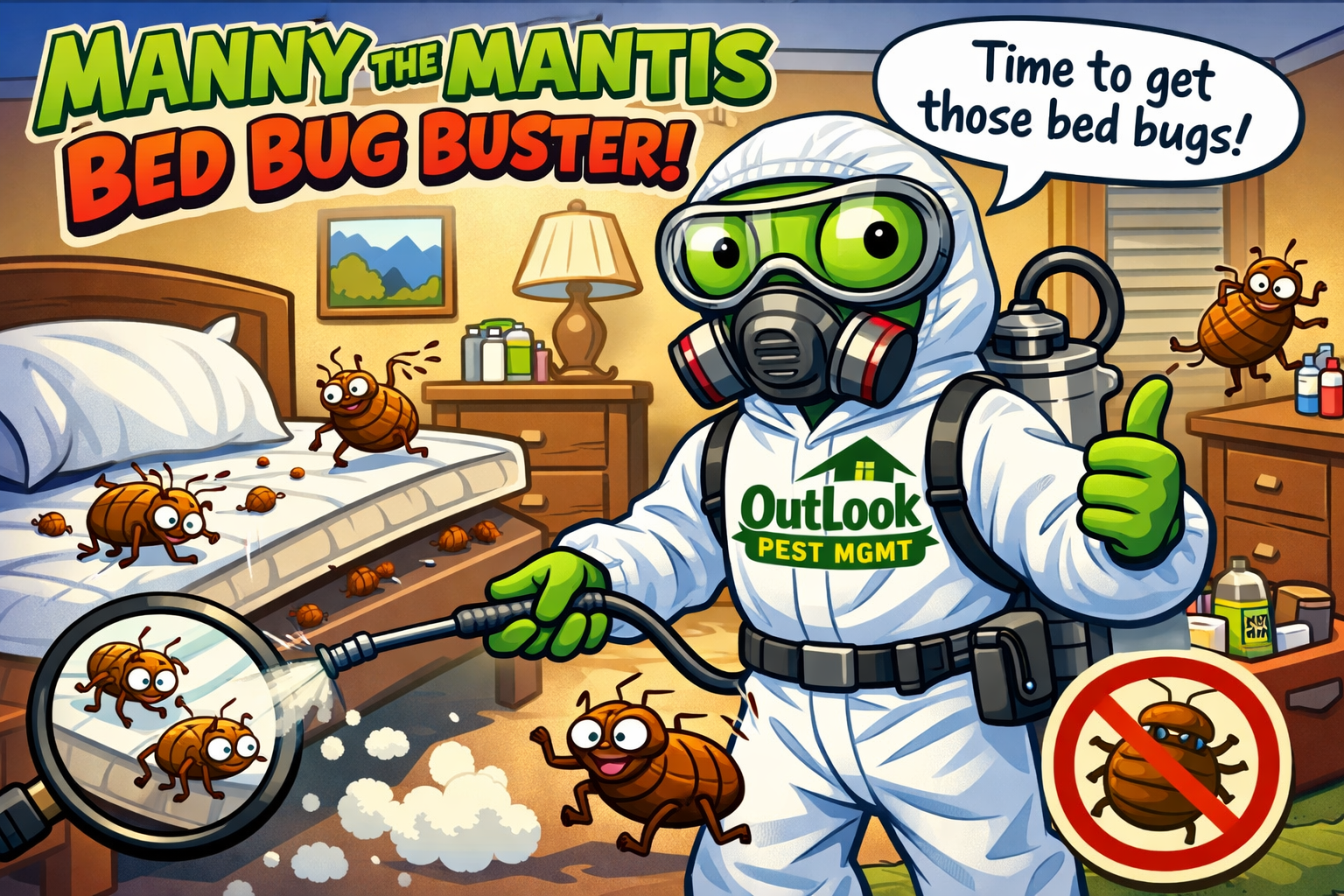
Bed Bug Control Services
Professional Bed Bug Treatments for Homes, Apartments, Hotels & Businesses in Oregon
Bed bugs are one of the most frustrating pests a property owner can deal with. They hide well, reproduce quickly, and can spread from room to room before people even realize they have a problem. At OutLook Pest Management, we provide professional bed bug inspection, treatment, and follow-up services for residential and commercial properties throughout Canby, Oregon City, Molalla, Wilsonville, West Linn, Salem, Keizer, Woodburn, Tigard, Tualatin, Beaverton, Hillsboro, and surrounding Oregon areas.
Whether you found bed bugs in a home, apartment, hotel room, rental property, office breakroom, or other shared living space, our team is here to help with clear recommendations, detailed inspections, and targeted treatments.
What Are Bed Bugs?
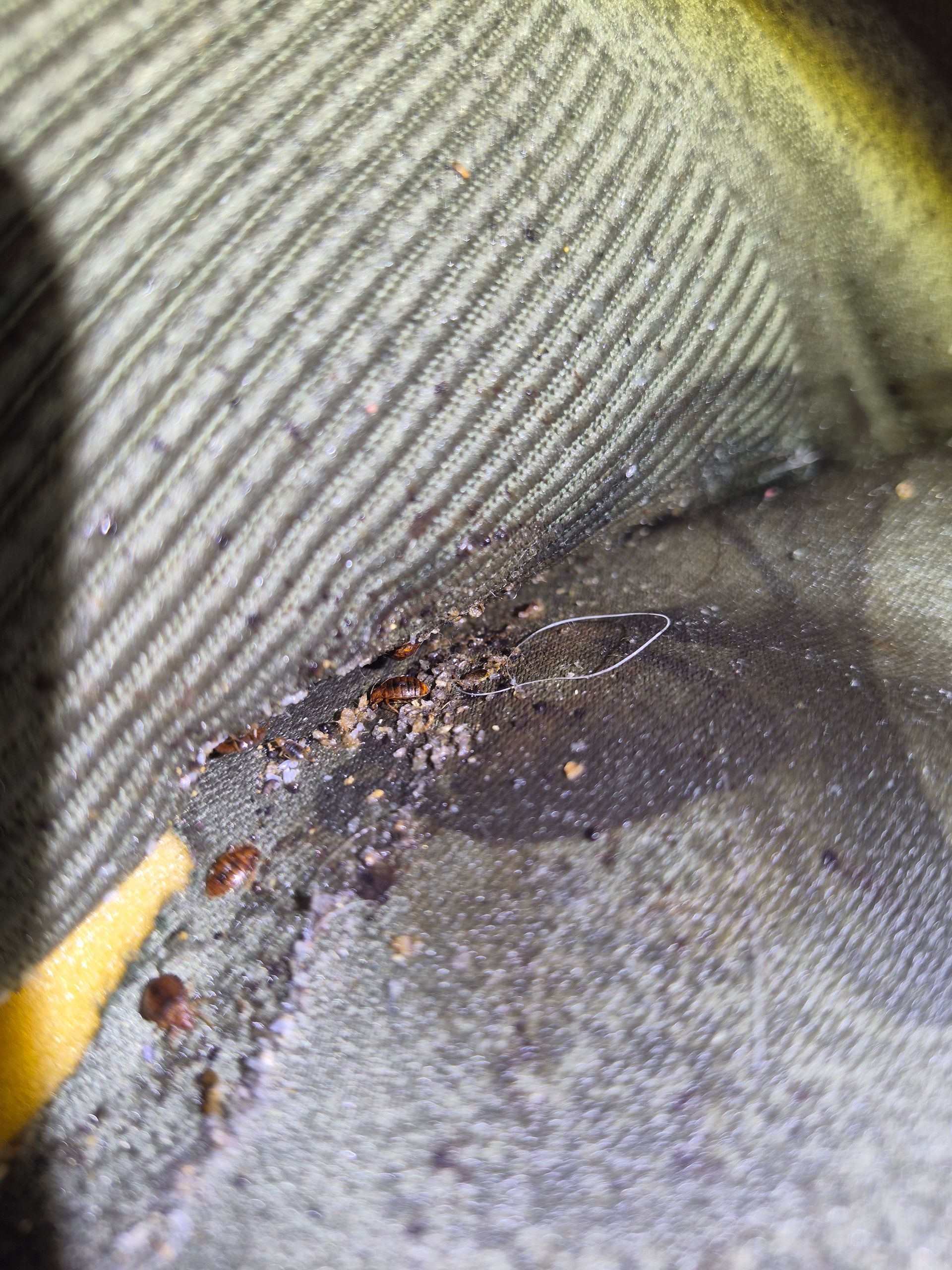
Bed bugs are small, flat, reddish-brown insects that feed on blood, usually at night while people are sleeping or resting. They are excellent hitchhikers and are commonly moved from place to place in luggage, clothing, furniture, backpacks, mattresses, couches, and other personal belongings.
Bed bugs do not mean a property is dirty. One of the most important things people should know is that anyone can get bed bugs. They are found in clean homes, messy homes, apartments, hotels, offices, schools, healthcare settings, and public transportation.
Bed bugs are an exposure pest, not a sanitation pest.
Can Anyone Get Bed Bugs?
Yes. Anyone can get bed bugs.
Bed bugs have no preference for income level, cleanliness, or lifestyle. They only need access to a host and a place to hide. A person can accidentally bring them home after traveling, staying in a hotel, buying used furniture, visiting an infested location, using shared laundry facilities, or living in a multi-unit building where bed bugs can spread between units.
This is one reason bed bug problems can happen so easily in:
- Homes
- Apartments
- Condos
- Hotels and motels
- Assisted living facilities
- Shelters
- Offices
- Dorms
- Rental properties
Bed Bug Breeding Habits
Bed bugs reproduce quickly once established. After feeding, adult females can lay eggs in hidden areas near where people sleep or rest. Eggs are small, whitish, and often tucked into seams, cracks, joints, folds, and protected voids.
A single infestation can grow rapidly when left untreated because:
- Female bed bugs can lay multiple eggs over time
- Eggs are hidden in hard-to-reach areas
- Young bed bugs begin feeding after hatching
- Bed bugs stay close to hosts, which helps them continue reproducing
Because of how fast infestations can build, early detection and professional treatment are very important.
Bed Bug Life Cycle
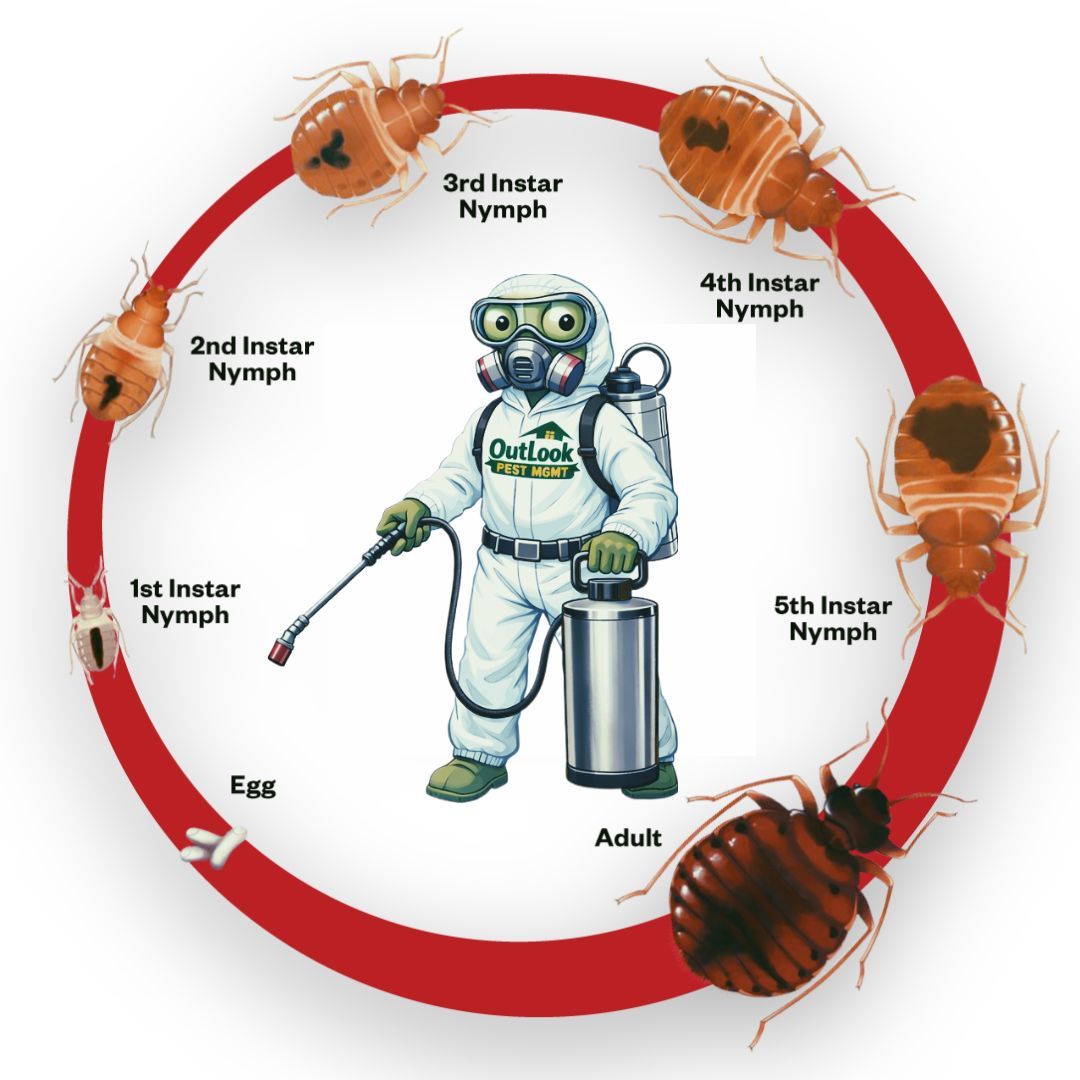
Understanding the bed bug life cycle helps explain why multiple steps, inspections, and follow-up services are often needed.
1. Egg
Bed bug eggs are tiny and usually hidden in cracks, mattress seams, bed frames, furniture joints, baseboards, and other protected areas.
2. Nymph
After hatching, immature bed bugs called nymphs begin looking for a blood meal. They go through several growth stages and must feed between molts
.
3. Adult
Adult bed bugs continue feeding and reproducing. They are skilled at hiding during the day and often come out at night when people are sleeping.
Because eggs, nymphs, and adults may all be present at the same time, bed bug services often require a thorough inspection, targeted treatment plan, and follow-up recommendations.
What Attracts Bed Bugs?
Bed bugs are mainly attracted to people, body heat, and carbon dioxide. They are not attracted by dirt, trash, or poor housekeeping the way some other pests are.
Conducive Conditions for Bed Bugs
Certain conditions make it easier for bed bugs to establish and spread:
- Frequent travel
- Used furniture brought into the home
- Shared walls in apartments or duplexes
- Clutter that creates more hiding spots
- High turnover environments like rentals or hospitality properties
- Shared laundry areas
- Delayed detection or delayed treatment
Clutter does not cause bed bugs, but it can make inspections and treatments more difficult by giving them more places to hide.
Signs of a Bed Bug Problem
Some common signs of bed bugs include:
- Bites on arms, legs, neck, or torso
- Small blood spots on sheets or pillowcases
- Dark spotting or staining near mattress seams or bed frames
- Live bed bugs in seams, cracks, furniture, or baseboards
- Shed skins and eggs in hiding spots
- Activity around beds, couches, recliners, and sleeping areas
Not everyone reacts to bites the same way, so visible bites alone should not be the only indicator. A professional inspection is the best way to confirm activity.
Where Bed Bugs Commonly Hide
Bed bugs hide in tight, protected spaces close to where people sleep or rest. Common harborages include:
- Mattress seams and tufts
- Box springs
- Bed frames and headboards
- Nightstands and dressers
- Couches and recliners
- Baseboards
- Wall voids
- Behind outlet covers
- Picture frames
- Luggage and stored fabrics
- Cracks and crevices around furniture

Bed Bug Breeding Habits
Bed bugs reproduce quickly once they establish themselves in a home or building. After feeding, an adult female bed bug can begin laying eggs in hidden areas near where people sleep or rest.
A single female bed bug can lay approximately 1–7 eggs per day and up to 200–500 eggs during her lifetime depending on conditions and access to blood meals. These eggs are extremely small, about the size of a grain of salt, and are often glued into protected hiding spots such as mattress seams, bed frames, furniture joints, cracks in baseboards, and other tight areas.
Because the eggs are hidden and difficult to see, infestations can grow significantly before they are discovered.
How Quickly Bed Bugs Hatch and Multiply
Bed bug eggs hatch quickly under normal indoor temperatures. In most homes, eggs hatch in about 6–10 days. Once they hatch, the young bed bugs (called nymphs) immediately begin searching for a blood meal.
Bed bugs go through five growth stages, and they must feed on blood between each stage in order to mature. Under ideal indoor conditions, bed bugs can develop from egg to reproductive adult in about 5–8 weeks.
Because of this rapid life cycle:
- A small bed bug problem can grow into a large infestation in a short time
- Multiple generations can occur within a year
- Eggs, nymphs, and adults may all be present at the same time
This is why professional bed bug treatment often focuses on targeting all life stages and performing follow-up inspections or treatments when needed.
Why Bed Bug Infestations Grow So Quickly
Several factors allow bed bug populations to grow rapidly inside homes and buildings:
- Female bed bugs lay eggs regularly after feeding
- Eggs are hidden in hard-to-reach areas
- Young bed bugs begin feeding soon after hatching
- Bed bugs can survive for months without feeding
- Indoor environments provide stable temperatures year-round
Without proper treatment, a bed bug population can spread to additional rooms, furniture, and neighboring units in apartments or multi-family housing.
Call OutLook Pest Mgmt. for Bed Bug Help
If you think you may have bed bugs, don’t wait for the problem to grow. OutLook Pest Management provides professional bed bug inspections, one-time bed bug treatments, and maintenance services for homes and businesses across the Oregon area.
Contact us today to discuss your bed bug issue and get professional help from a local company that understands how to inspect, treat, and manage bed bug problems.

Bed Bug FAQ
Looking for answers about bed bugs in Oregon? Below are some of the most commonly asked questions about bed bug life cycles, breeding habits, how they spread, where they come from, signs of activity, and professional treatment options. OutLook Pest Management provides bed bug inspections and treatment services for homes, apartments, hotels, rentals, and commercial properties in Canby, Oregon City, Salem, Keizer, Wilsonville, West Linn, Tigard, Tualatin, Beaverton, Hillsboro, Woodburn, and surrounding Oregon areas.
What are bed bugs?
Bed bugs are small, flat, reddish-brown insects that feed on blood, usually at night while people are sleeping or resting. They hide in tight cracks and crevices close to beds, couches, and other resting areas. Bed bugs do not fly or jump, but they are excellent hitchhikers and can spread quickly through personal belongings and furniture.
Can anyone get bed bugs?
Yes. Anyone can get bed bugs. Bed bugs do not care if a home, apartment, hotel, or business is clean or dirty. They are an exposure pest, which means they are usually brought in from travel, used furniture, shared laundry areas, visitors, or nearby infested units in multi-family housing.
Are bed bugs caused by poor housekeeping?
No. Bed bugs are not caused by poor housekeeping. They can be found in clean homes, cluttered homes, hotels, apartments, offices, dorms, and many other types of buildings. Clutter can make them harder to find and treat, but clutter does not cause bed bugs.
How do bed bugs travel from place to place?
Bed bugs commonly travel by hitchhiking on luggage, backpacks, purses, clothing, shoes, furniture, mattresses, couches, and boxes. They can also move between apartments, condos, duplexes, and hotels through shared walls, hallways, utility penetrations, and neighboring rooms.
Where can you get bed bugs?
Bed bugs can be picked up almost anywhere people rest, sleep, or bring personal belongings. Common places include hotels, motels, vacation rentals, apartment buildings, dorms, offices, public transportation, movie theaters, waiting rooms, shelters, secondhand furniture, and shared laundry facilities.
What attracts bed bugs?
Bed bugs are attracted mainly to people, body heat, and carbon dioxide. They are not attracted by dirt or food scraps like some other pests. Their goal is to stay close to a blood source and hide in tight protected areas during the day.
What are the conducive conditions for bed bugs?
Conditions that make bed bug problems easier to establish include frequent travel, used furniture brought indoors, shared walls in apartments, clutter around sleeping areas, high resident turnover, delayed detection, and untreated neighboring infestations. Bed bugs thrive anywhere they have consistent access to people and hiding places.
How many eggs can a female bed bug lay?
A female bed bug can lay about 1 to 7 eggs per day and may lay roughly 200 to 500 eggs in her lifetime, depending on conditions and access to blood meals. This is one reason why small infestations can grow into larger problems quickly if left untreated.
How fast do bed bug eggs hatch?
In normal indoor conditions, bed bug eggs usually hatch in about 6 to 10 days. After hatching, the immature bed bugs begin looking for a blood meal so they can continue developing.
What is the bed bug life cycle?
The bed bug life cycle includes three main stages: egg, nymph, and adult. After hatching, bed bugs go through five nymph stages. They need a blood meal between each stage before becoming reproductive adults. Under favorable indoor conditions, bed bugs can develop from egg to adult in roughly 5 to 8 weeks.
How quickly do bed bugs reproduce?
Bed bugs can reproduce quickly indoors because stable temperatures and regular access to hosts allow their population to keep growing year-round. Since females lay eggs regularly and multiple life stages may be present at once, an infestation can expand significantly in a short amount of time.
Where do bed bugs usually hide?
Bed bugs commonly hide in mattress seams, box springs, bed frames, headboards, nightstands, dressers, couches, recliners, baseboards, wall voids, outlet areas, cracks in furniture, picture frames, and other tight protected spaces near where people sleep or rest.
What are the signs of bed bugs?
Common signs include live bed bugs, shed skins, tiny white eggs, dark spotting or staining near seams and cracks, blood spots on sheets, and bite complaints. Not everyone reacts the same way to bites, so the best way to confirm a problem is with a professional inspection.
Do bed bugs only live in beds?
No. Although they are commonly found around beds, bed bugs can also live in couches, chairs, nightstands, dressers, wall voids, baseboards, and many other hiding areas close to where people spend time resting.
Can bed bugs spread through apartments and multi-unit housing?
Yes. Bed bugs can spread between apartments, condos, duplexes, hotels, and other shared structures. They may move through wall voids, shared utility openings, hallways, furniture movement, laundry transfer, and personal belongings.
Do bed bugs go away on their own?
No. Bed bugs usually do not go away on their own. Without proper treatment, they often continue breeding and spreading into more rooms, furniture, and belongings.
Why is professional bed bug treatment important?
Bed bugs are difficult to eliminate because they hide extremely well and multiple life stages may be present at the same time. Professional treatment helps identify the extent of activity, target hidden harborages, and reduce the chance of the infestation spreading.
Does OutLook Pest Management offer bed bug services?
Yes. OutLook Pest Management offers one-time bed bug services as well as maintenance and monitoring options for certain higher-risk properties such as apartments, rentals, hotels, and recurring exposure environments. Services are based on the level of activity, the layout of the property, and the areas affected.
What types of properties do you service for bed bugs?
We service homes, apartments, condos, duplexes, rental properties, hotels, motels, offices, and other commercial or residential spaces needing professional bed bug inspection and treatment in the Oregon area.
Do you offer bed bug services near me in Oregon?
OutLook Pest Management provides bed bug services in Canby, Oregon City, Salem, Keizer, Wilsonville, West Linn, Tigard, Tualatin, Beaverton, Hillsboro, Woodburn, Newberg, Molalla, and surrounding Oregon communities. Contact us if you need help with bed bug control, inspection, or treatment in your area.
Bed Bug Service Areas in Oregon
OutLook Pest Management proudly provides bed bug control services in Canby, Oregon City, Salem, Keizer, Wilsonville, West Linn, Tigard, Tualatin, Beaverton, Hillsboro, Woodburn, Molalla, and nearby Oregon areas. If you are searching for a bed bug exterminator in Canby, bed bug treatment in Oregon City, or bed bug pest control in Salem and surrounding communities, our team is here to help.
Why This Page Helps Customers Searching for Bed Bug Treatment
This FAQ content is designed to help customers looking for bed bug inspections, bed bug treatment, bed bug control, bed bug exterminator services, apartment bed bug service, hotel bed bug treatment, and professional bed bug help in Canby, Oregon City, Salem, Keizer, Wilsonville, West Linn, Tigard, Tualatin, Beaverton, Hillsboro, Woodburn, and surrounding Oregon cities.
Bed bug treatment Oregon, bed bug treatment Canby Oregon, bed bug exterminator Oregon City, bed bug control Salem Oregon, apartment bed bug service Keizer, hotel bed bug treatment Wilsonville, bed bug inspection West Linn, bed bug pest control Tigard, bed bug removal Tualatin, bed bug services Beaverton, bed bug exterminator Hillsboro, bed bug company Woodburn, OutLook Pest Management bed bugs.