
Mosquito Control in Oregon
OutLook Pest Management | Seasonal Mosquito Service | Portland Metro & Willamette Valley
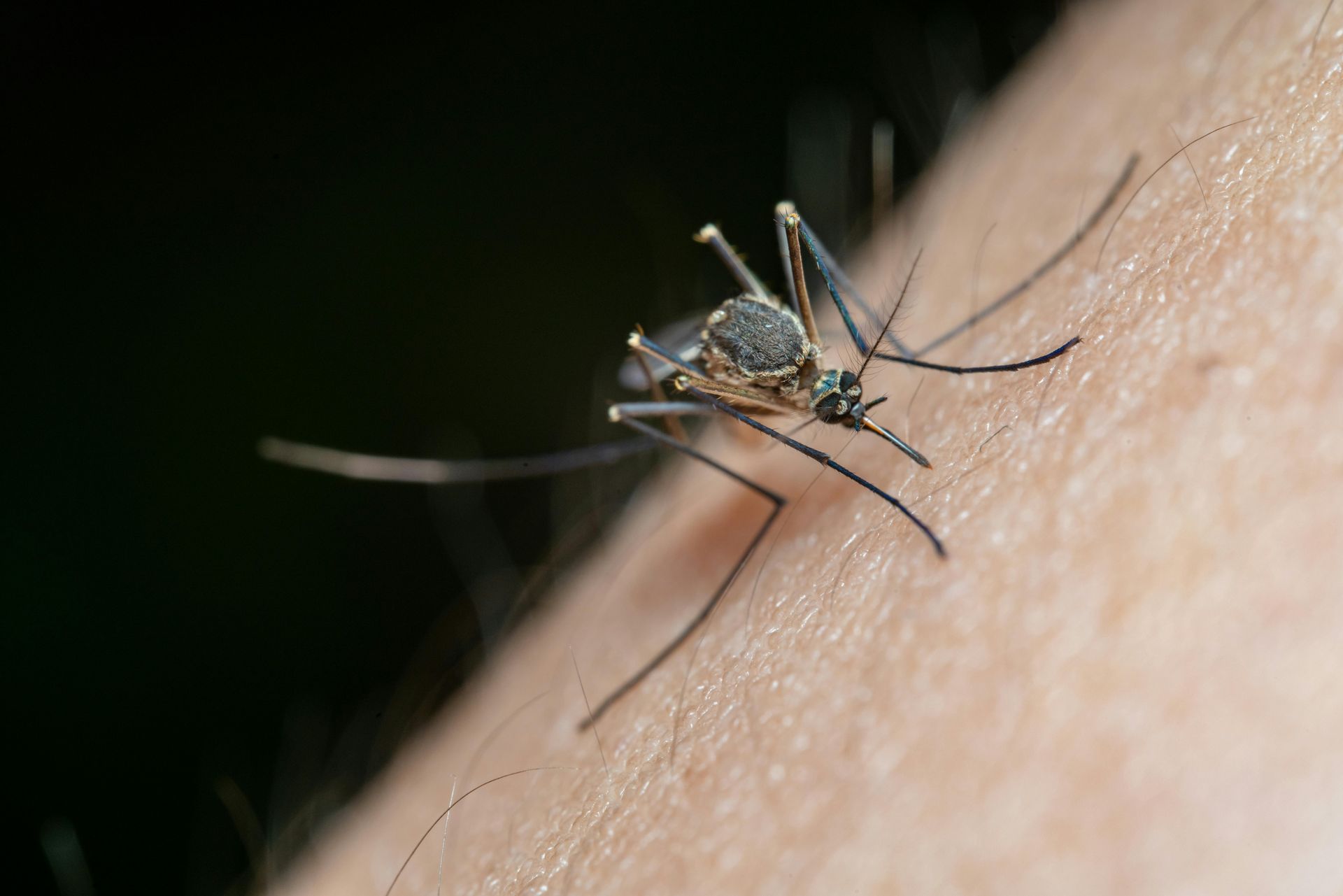
If mosquitoes are ruining your evenings outside, you’re not alone. In the Portland, Oregon area, mosquito activity ramps up in spring, peaks in summer, and often lingers into early fall—especially around standing water, shaded yards, and overwatered landscapes. OutLook Pest Management provides targeted seasonal mosquito control to help reduce bites, breeding, and the “can’t-use-the-backyard” problem.
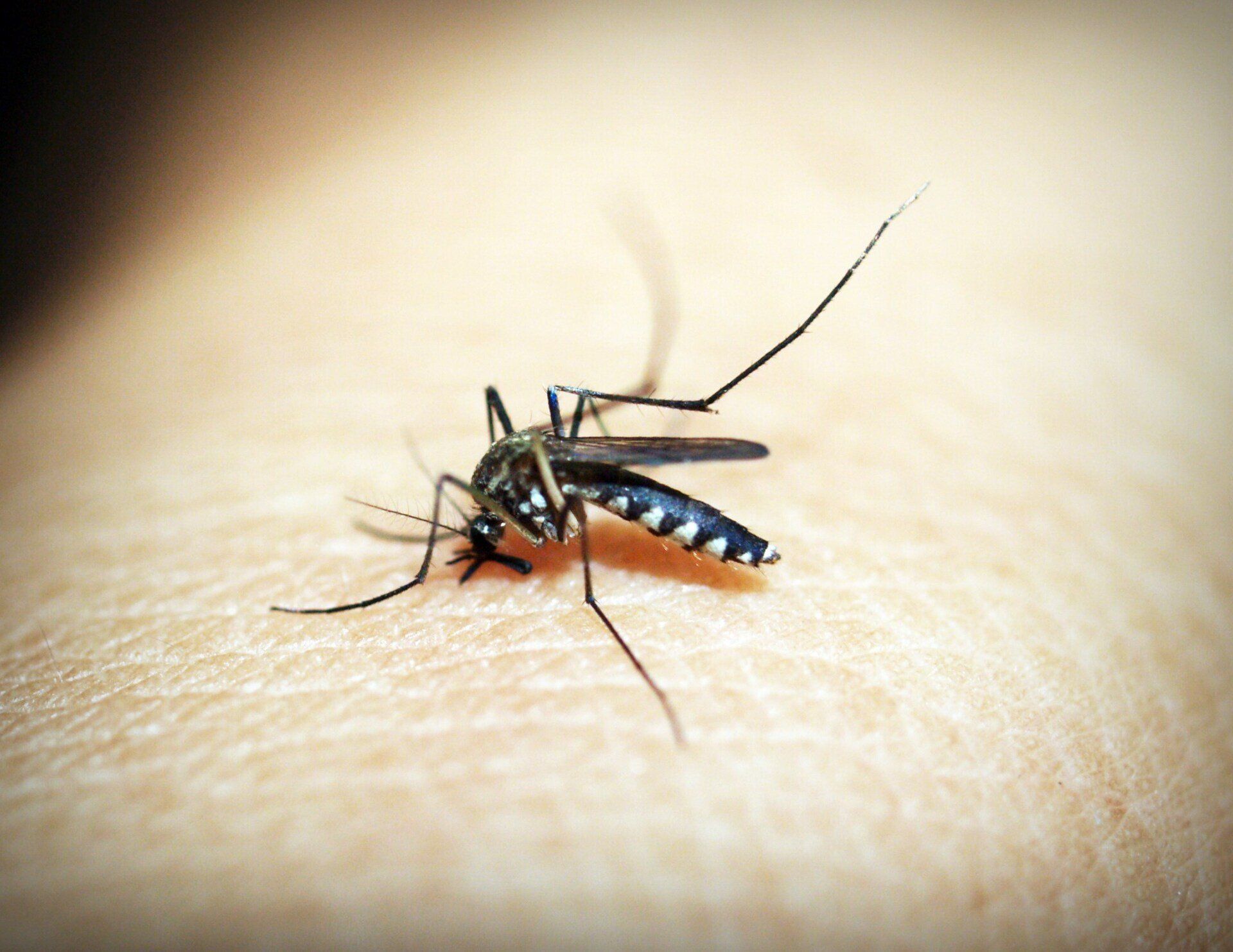
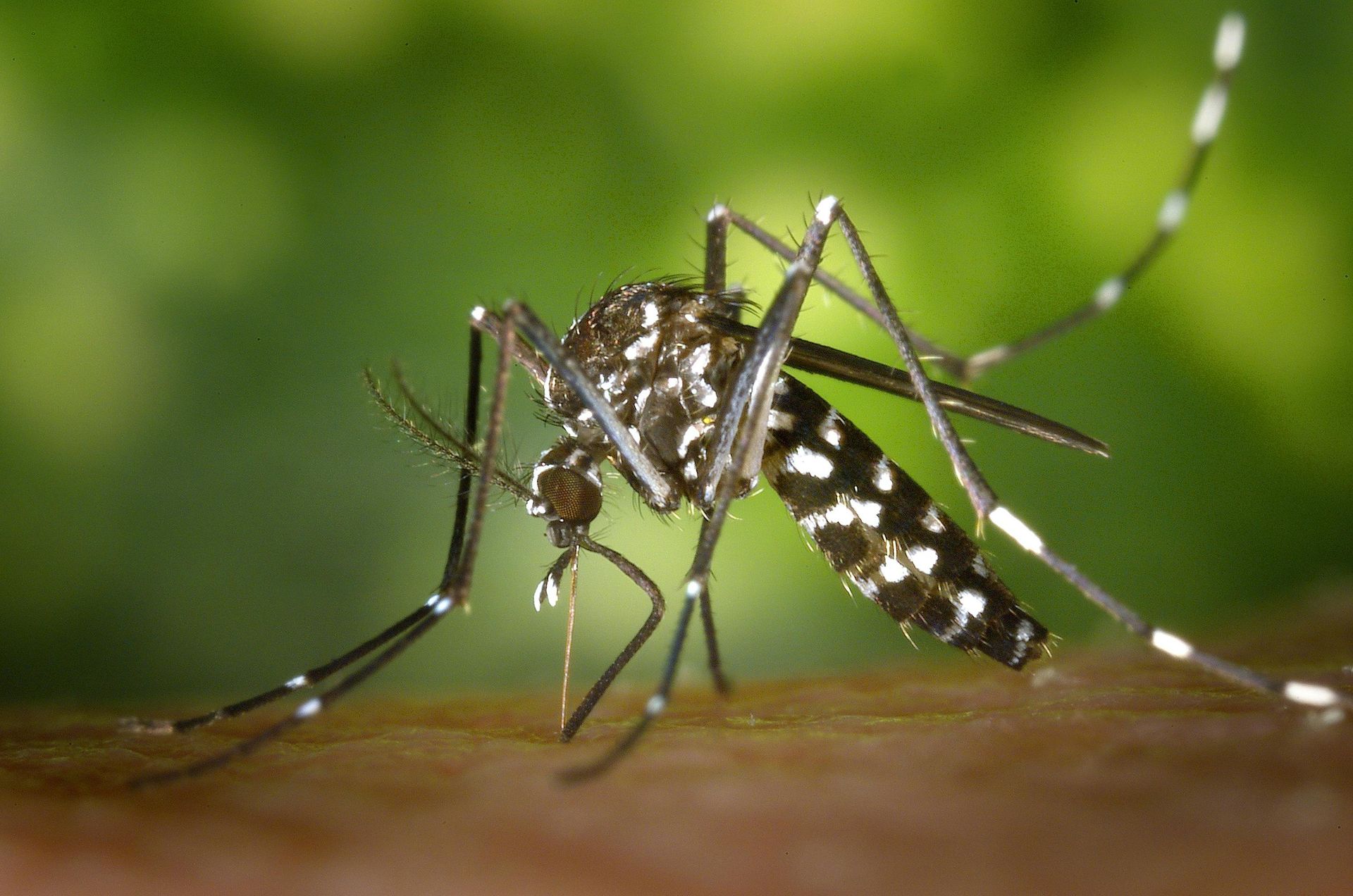

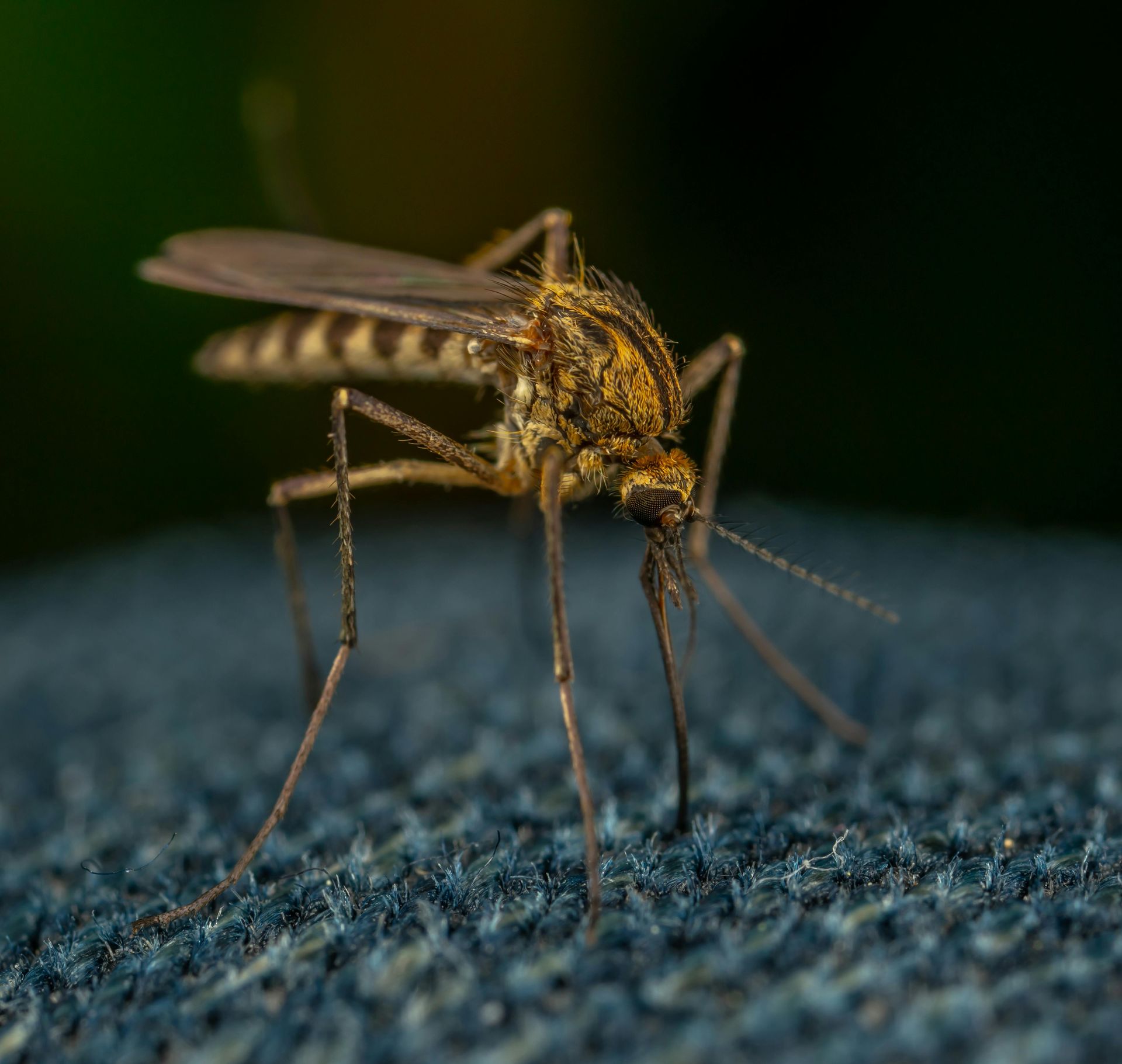
Common Mosquitoes Around Our Area
Mosquito species vary by neighborhood and water sources, but most local problems fall into a few common “types” that thrive in the Pacific Northwest’s mild, wet seasons and irrigated summers:
1) “Floodwater” / Seasonal Mosquitoes
These show up after rain and mild flooding conditions—especially in low-lying areas, ditches, and fields. They can emerge quickly when conditions are right.
2) Container-Breeding Mosquitoes
These thrive in small amounts of standing water around homes and businesses—think buckets, clogged gutters, birdbaths, toys, tarps, plant saucers, and wheelbarrows.
3) Backyard / Wet-Area Mosquitoes
Common near ponds, wetlands, drainage swales, and slow-moving water, and in shady yards with dense vegetation.
Bottom line: If there’s water sitting for several days, mosquitoes can multiply fast.
Mosquito Lifecycle (Why They Come Back So Fast)
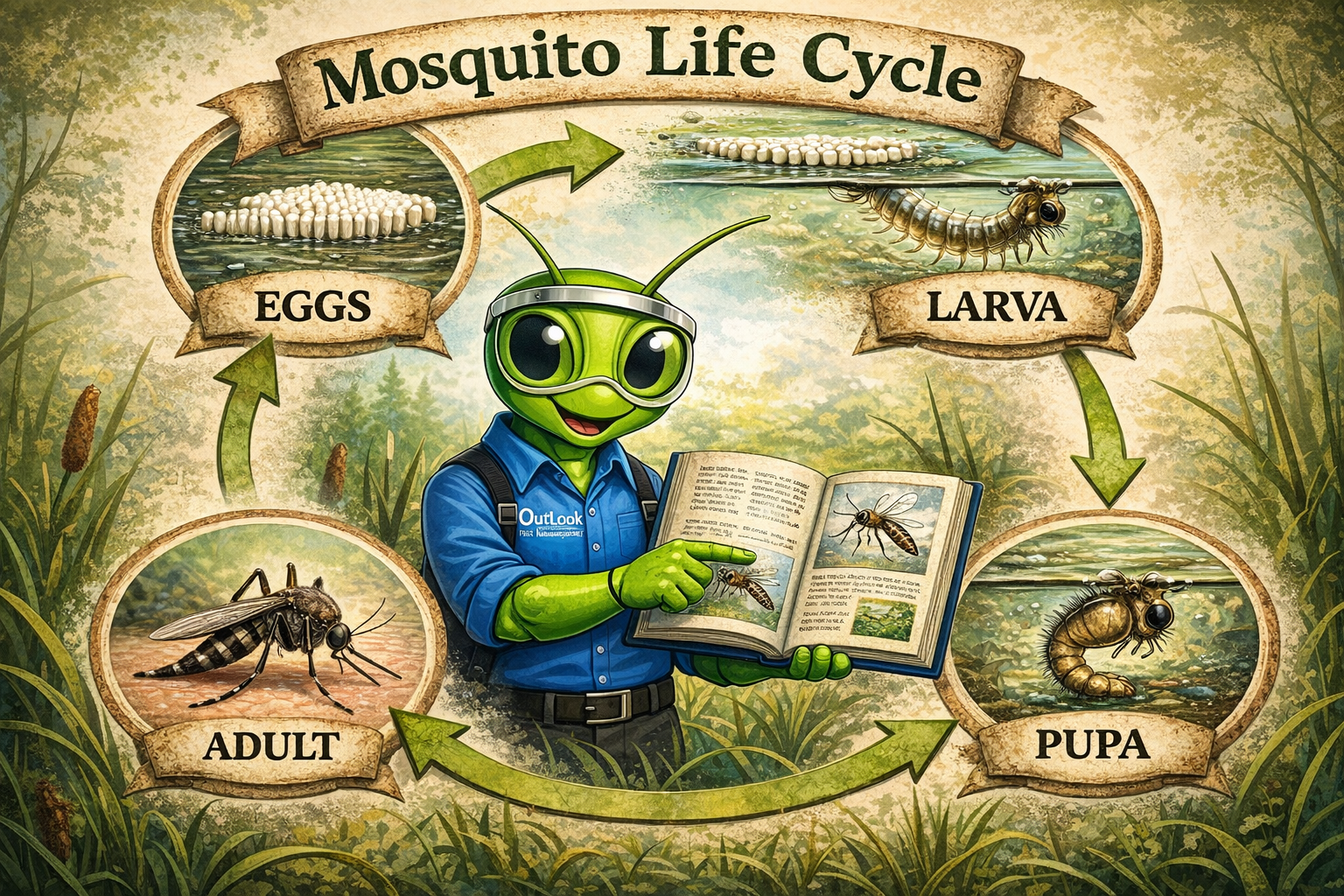
Mosquitoes go through 4 stages: egg → larva → pupa → adult.
- Eggs: Laid on or near water (depending on species).
- Larvae (“wigglers”): Live in standing water and feed near the surface.
- Pupae: Still in water, preparing to become adults.
- Adults: Emerge and begin feeding and breeding soon after.
In warm weather, many mosquitoes can develop from egg to biting adult in as little as 1–2 weeks, which is why one-time efforts often don’t last without ongoing prevention.
Breeding Habits and What Attracts Mosquitoes
Mosquitoes need water, and adults prefer shade, humidity, and resting cover.
Top breeding sources in Portland-area yards
- Clogged gutters and downspouts
- Birdbaths (even “fresh” water can breed)
- Buckets, toys, tarps, lids, plant saucers
- Old tires or wheelbarrows
- Poor drainage, puddles, French drain issues
- Rain barrels without proper screening
- Unmaintained water features
Conditions that increase mosquito activity
- Overwatering and soggy lawns
- Dense shrubs, ivy, tall grass, and shaded corners
- Standing water for 5+ days
- Warm evenings with little wind
- Nearby wetlands, creeks, retention ponds, or ditches
OutLook Mosquito Service
OutLook Pest Management offers a seasonal mosquito reduction program designed for Oregon’s mosquito season.
Service window
- Typical season: March–September
- Extended season (weather-dependent):
April–November
Mosquito pressure can vary year to year based on rainfall, spring temperatures, and irrigation.
What we do
- Identify breeding risks and “hot spots” around the property
- Treat key resting areas where adult mosquitoes hide (shaded foliage, under decks, dense landscaping)
- Provide practical recommendations to reduce breeding sources
- Adjust timing during peak mosquito months for better seasonal control
(We also offer gosquito insect growth regulator stations)
Goal: reduce mosquito activity so you can enjoy your yard, patio, pool area, and outdoor living spaces more comfortably.

What You Can Do Between Visits (Biggest Impact Tips)
For the best results, combine professional service with simple prevention:
- Dump standing water weekly (10 minutes makes a big difference)
- Keep gutters flowing and downspouts draining properly
- Refresh birdbaths every 2–3 days (or scrub weekly)
- Store buckets, toys, and containers upside down
- Fix drainage issues and avoid overwatering
- Trim dense shrubs and reduce shady, damp “resting zones”
Why Choose OutLook Pest Management
- Local, professional service tailored to Oregon conditions
- Seasonal scheduling designed around real mosquito pressure
- Focus on practical breeding reduction + targeted treatments
- Clear communication and honest expectations
Mosquito Control FAQ
Answers to common questions about mosquito treatments, breeding habits, and seasonal service in Oregon. Serving Salem, Keizer, Canby, Molalla, Lake Oswego, Tualatin, Hillsboro, Tigard, Amity, Newberg, and surrounding towns.
What mosquitoes do we commonly get in Oregon?
How fast do mosquitoes breed?
What attracts mosquitoes to my yard?
Do mosquito treatments still work in Oregon weather?
Where do you treat for mosquitoes?
When is mosquito season in Salem / Portland area?
How often should mosquito treatments be done?
What can I do between visits to reduce mosquitoes?
Do you offer mosquito control for businesses?
Service Area
OutLook Pest Management provides seasonal mosquito control across the Willamette Valley and Portland metro area, including Salem, Keizer, Canby, Molalla, Lake Oswego, Tualatin, Hillsboro, Tigard, Amity, Newberg, and surrounding communities.